
Enhance Your Astrophotography with Noise Reduction Techniques
Capturing stunning images of the night sky can be a rewarding experience for photographers and astronomy enthusiasts alike. However, astrophotography often comes with its own set of challenges, one of which is dealing with noise in your images. Noise can detract from the clarity and quality of your photos, but with the right noise reduction techniques, you can enhance your astrophotography and bring out the beauty of the cosmos.
1. Use Image Stacking
Image stacking involves combining multiple images of the same scene to reduce noise and improve overall image quality. Software programs like DeepSkyStacker or Sequator can help you align and stack your astrophotography images effectively.
2. Long Exposure Noise Reduction
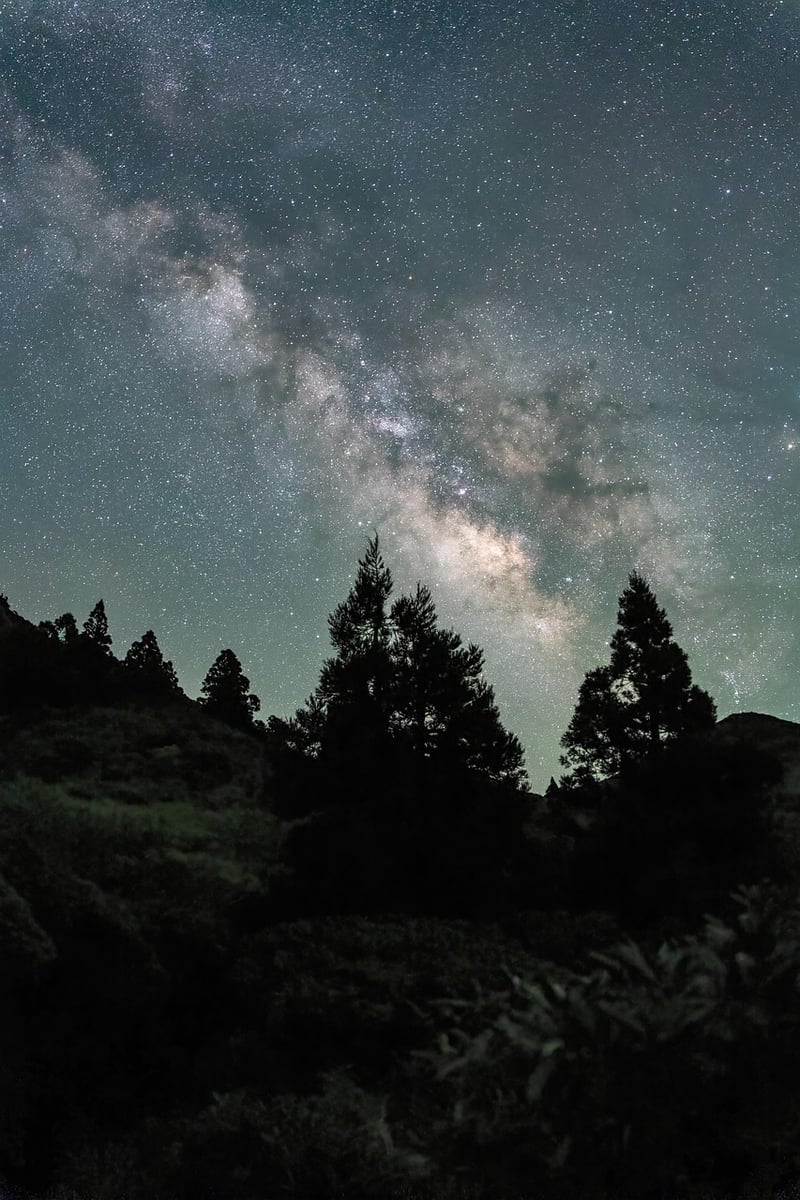
Many digital cameras have a long exposure noise reduction feature that can help minimize noise in long-exposure shots. This feature works by taking a second exposure with the shutter closed to capture only the noise, which is then subtracted from the original image.
3. Use Low ISO Settings
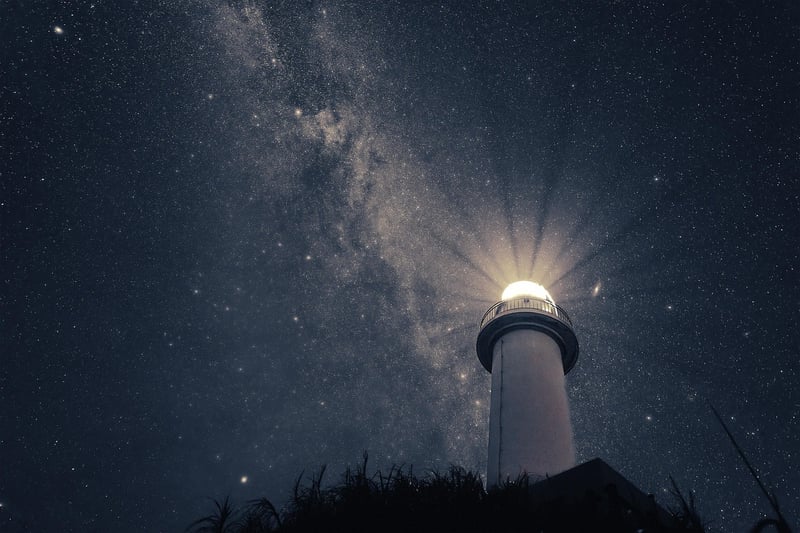
While it may be tempting to crank up the ISO in low-light conditions, higher ISO settings can introduce more noise into your images. Opt for lower ISO settings and longer exposures to capture cleaner images with less noise.
4. Post-Processing Noise Reduction
Utilize noise reduction tools in post-processing software like Adobe Lightroom or Photoshop to further reduce noise in your astrophotography images. Experiment with different settings to find the right balance between noise reduction and image sharpness.
By implementing these noise reduction techniques, you can elevate your astrophotography and capture breathtaking images of the night sky. Remember to experiment with different methods and settings to find what works best for your unique shooting conditions and equipment. Happy shooting!